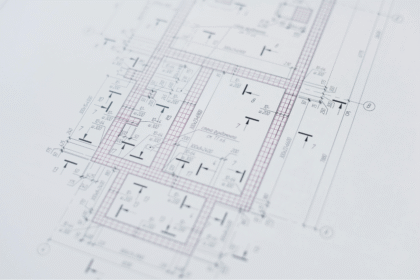

Quantity takeoffs are not just technical exercises — they are financial and legal foundations of every construction contract.
- How Takeoff Errors Trigger Contract Disputes
- Change Orders and Scope Gaps
- Estimator Liability and Professional Responsibility
- The Role of Documentation in Risk Mitigation
- Risk Allocation in Different Delivery Models
- Technology as a Legal Risk Reducer
- Best Practices for Legal Protection in Estimating
- Conclusion
When estimating errors occur, the consequences extend beyond margin loss. Inaccurate takeoffs frequently lead to scope disputes, delayed payments, litigation, and reputational damage.
In 2026, as projects grow more complex and margins tighten, estimating accuracy has become a risk management priority.
How Takeoff Errors Trigger Contract Disputes
Common estimating mistakes include:
- Omitted scope items
- Misinterpreted drawings
- Incorrect unit conversions
- Failure to account for design revisions
- Inconsistent assumptions across trades
When bids are based on flawed quantities, contractors may underprice scope — leading to post-award tension.
Disputes often emerge around who bears responsibility: the estimator, the contractor, the designer, or the owner.
Change Orders and Scope Gaps
One of the most common legal consequences of inaccurate takeoffs is the escalation of change orders.
Underestimated Quantities
Missing materials or system components require supplemental pricing.
Ambiguous Contract Language
If contracts lack clear scope definitions, disagreements over responsibility intensify.
Documentation Gaps
Without structured takeoff records, defending pricing assumptions becomes difficult.
Change order frequency often reflects weaknesses in preconstruction diligence.
Estimator Liability and Professional Responsibility
In certain jurisdictions, estimating errors may expose firms to:
- Negligence claims
- Breach of contract allegations
- Professional liability disputes
- Insurance complications
While contracts often limit liability, documentation quality plays a critical role in defending claims.
Accurate and well-documented takeoff processes serve as legal safeguards.
The Role of Documentation in Risk Mitigation
Modern estimating platforms improve defensibility by:
- Time-stamping revisions
- Archiving plan versions
- Logging measurement adjustments
- Tracking cost assumptions
Digital audit trails provide evidence of diligence and methodology.
In legal disputes, documentation frequently determines outcomes.
Risk Allocation in Different Delivery Models
Legal exposure varies depending on project structure:
Design-Bid-Build
Errors often surface post-award, creating adversarial disputes.
Design-Build
Cost feedback occurs earlier, but estimating assumptions must be clearly documented.
CM-at-Risk
Preconstruction services increase estimator responsibility for budget accuracy.
Understanding risk allocation clauses is essential for estimators.
Technology as a Legal Risk Reducer
AI-powered and BIM-integrated takeoff systems reduce exposure by:
- Synchronizing quantities with design revisions
- Flagging scope inconsistencies
- Standardizing cost coding
- Maintaining traceable audit logs
While technology does not eliminate liability, it significantly lowers human-error risk.
Best Practices for Legal Protection in Estimating
Forward-thinking contractors implement:
- Structured scope review checklists
- Revision comparison protocols
- Clear qualification statements in bids
- Escalation and contingency clauses
- Cross-department pre-bid reviews
Estimating is no longer isolated from legal strategy.
Conclusion
Inaccurate quantity takeoffs can undermine not only project profitability but contractual stability. As construction contracts become more complex, the legal implications of estimating errors grow more significant.
In 2026, successful firms treat takeoff accuracy as both a financial discipline and a legal safeguard.
Precision in preconstruction is protection in litigation.
Can estimating errors lead to lawsuits?
Yes. Significant discrepancies can result in breach of contract claims or payment disputes.
How can contractors reduce legal exposure in takeoffs?
By maintaining detailed documentation, revision tracking, and structured audit trails.
Does BIM eliminate legal risk?
No, but it reduces the likelihood of scope gaps and undocumented changes.