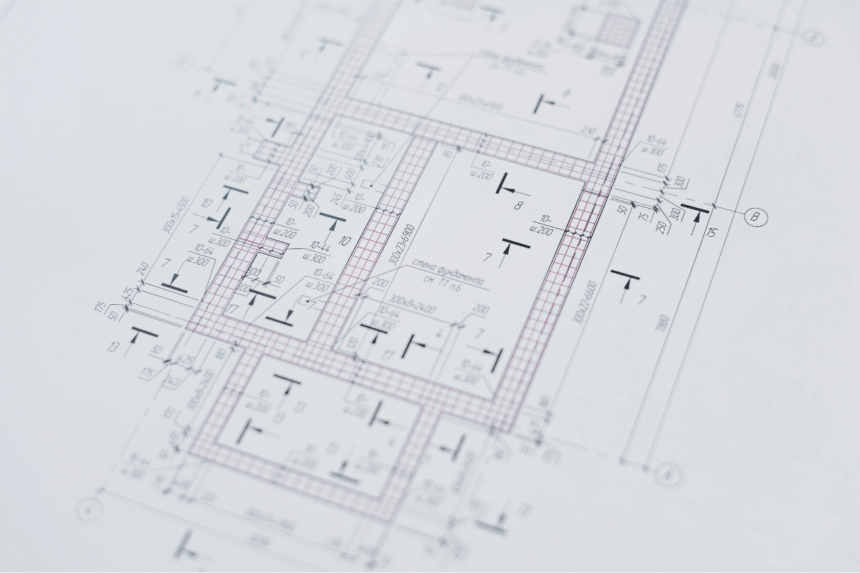

Construction estimating is at a turning point. While manual takeoff methods remain common across the industry, automated and AI-driven platforms are rapidly gaining adoption.
In 2026, the debate is no longer about whether automation works — but whether manual workflows can remain competitive.
Understanding the differences in productivity, accuracy, and return on investment is critical for contractors evaluating their preconstruction strategy.
Manual Estimating — The Traditional Approach
Manual takeoff typically involves:
- Measuring from printed or PDF drawings
- Manually inputting quantities into spreadsheets
- Applying static cost databases
- Updating revisions by hand
This method relies heavily on estimator experience and attention to detail.
While effective in smaller projects, manual workflows introduce scalability limitations.
Automated Takeoff — The Modern Alternative
Automated systems use:
- Computer vision
- Machine learning
- BIM data extraction
- Real-time cost integration
Instead of tracing every component, estimators review AI-generated quantities and validate structured outputs.
Automation shifts the role from measurement to verification and strategy.
Productivity Comparison
Manual estimating often requires:
- Significant labor hours per bid
- Rework for design revisions
- Redundant data entry
Automated platforms can:
- Reduce measurement time significantly
- Synchronize quantities after revisions
- Standardize cost assemblies
- Enable parallel collaboration
For high-volume bidding environments, productivity gains become exponential.
Accuracy and Risk Exposure
Manual workflows are vulnerable to:
- Omitted scope
- Version control errors
- Calculation inconsistencies
- Fatigue-related mistakes
Automated systems reduce risk through:
- Object detection algorithms
- Standardized assemblies
- Revision tracking
- Digital audit trails
While human validation remains essential, automation lowers the probability of systematic oversight.
Workforce Impact
With skilled labor shortages affecting the construction industry, estimating teams face increasing pressure.
Automation enables firms to:
- Scale bidding capacity without proportional headcount growth
- Reduce burnout among senior estimators
- Reallocate talent toward strategy and risk analysis
The workforce evolves from measurement technicians to cost intelligence analysts.
ROI Analysis in 2026
Return on investment depends on:
- Bid volume
- Project size
- Margin sensitivity
- Error reduction
Firms adopting automated takeoff often report:
- Faster bid turnaround
- Reduced change order disputes
- Improved margin predictability
- Higher win rates due to responsiveness
Over time, productivity and accuracy improvements compound into measurable financial advantage.
When Manual Estimating Still Makes Sense
Automation is not universally required.
Manual methods may remain viable for:
- Small contractors with limited bid volume
- Highly specialized niche projects
- Firms lacking structured digital workflows
However, as competition intensifies, the gap between manual and automated workflows continues to widen.
Conclusion
The comparison between automated and manual takeoff ultimately centers on scalability and risk management.
Manual estimating can remain effective in controlled environments, but automated platforms offer superior productivity, structured accuracy, and long-term ROI advantages.
In 2026, contractors that treat estimating as a strategic function — rather than a purely technical task — are positioning themselves for sustainable competitive growth.
Is automated takeoff more accurate than manual estimating?
In most cases, automation reduces systematic errors, though human validation remains essential.
Does AI eliminate the need for estimators?
No. It shifts their role toward oversight, risk analysis, and strategic cost planning.
How quickly can firms see ROI from automation?
ROI depends on bid volume and project size, but productivity gains often appear within the first year of adoption.