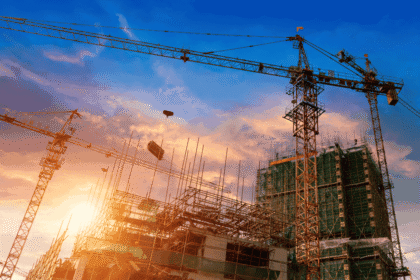

Heavy equipment represents one of the largest capital investments in construction operations. Excavators, cranes, loaders, lifts, and earthmoving machinery can dramatically impact productivity — but only when properly utilized.
In 2026, contractors are shifting from ownership-focused strategies to performance-driven asset management models.
Idle equipment is not just inactive machinery — it is silent margin erosion.
The True Cost of Idle Equipment
Idle time affects profitability through:
- Underutilized capital investment
- Fuel inefficiency
- Depreciation without output
- Increased maintenance cycles
- Opportunity cost across projects
Even a small percentage of unproductive machine hours can significantly reduce return on investment.
Core Equipment Utilization Metrics
Operations teams now monitor:
Utilization Rate
Productive operating hours divided by total available hours.
Idle Time Percentage
Tracks how long equipment runs without active workload.
Cost per Operating Hour
Includes fuel, maintenance, insurance, and depreciation.
HRevenue per Machine Hour
Measures profitability contribution relative to operating cost.
These metrics provide clarity beyond simple ownership tracking.
Real-Time Equipment Monitoring
Modern fleet management systems integrate:
- GPS tracking
- Telematics sensors
- Engine diagnostics
- Fuel consumption data
- Predictive maintenance alerts
Real-time dashboards allow operations managers to detect inefficiencies immediately.
Data replaces guesswork.
Scheduling and Allocation Optimization
Equipment utilization improves when firms:
- Coordinate machinery deployment across projects
- Avoid double-booking assets
- Match equipment size to task requirements
- Anticipate demand spikes in infrastructure projects
Centralized fleet visibility reduces unnecessary rentals and redundant purchases.
Maintenance and Lifecycle Management
Proactive maintenance reduces downtime and unexpected repair costs.
AI-driven systems now:
- Predict component wear
- Schedule preventive service
- Identify abnormal performance patterns
- Extend equipment lifespan
Lifecycle intelligence protects capital investment.
Financial Impact and ROI
When utilization improves, contractors typically see:
- Lower equipment rental expenses
- Reduced capital expenditure pressure
- Higher productivity per project
- More accurate project cost forecasting
Optimized fleet management strengthens both operational and financial performance.
Sustainability and Operational Efficiency
Efficient equipment usage also reduces:
- Fuel waste
- Carbon emissions
- Unnecessary engine idling
- Environmental compliance risks
Sustainable operations increasingly align with profitability goals.
Conclusion
Heavy equipment utilization is no longer a back-office metric — it is a strategic performance indicator in modern construction operations.
In 2026, firms that actively monitor and optimize fleet performance gain measurable advantages in cost control, productivity, and capital efficiency.
Smart asset management turns machinery into competitive leverage.
What is a good equipment utilization rate?
Rates vary by project type, but consistent monitoring is more important than a fixed benchmark.
How does telematics improve fleet performance?
Telematics provides real-time data on location, fuel use, and machine health.
Can small contractors benefit from utilization tracking?
Yes. Even basic GPS and monitoring tools can significantly reduce idle time.