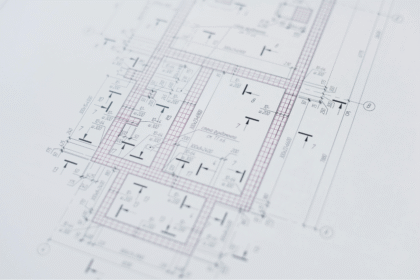
In 2026, construction estimating is no longer defined by manual scale measurements and spreadsheet-heavy workflows. AI-powered takeoff platforms are redefining quantity surveying by combining machine learning, computer vision, and BIM-integrated data pipelines. The result: faster estimates, reduced human error, and predictive cost intelligence that changes how contractors compete.
What Is AI-Powered Takeoff?
AI-powered takeoff uses machine learning models and computer vision to automatically detect, measure, and classify construction elements from:
- 2D PDF drawings
- BIM models (IFC, Revit)
- CAD files
- Scanned plans
Instead of manually tracing walls, doors, slabs, and MEP systems, estimators now rely on algorithms trained to recognize structural components and convert them directly into structured cost data.
This shift is turning quantity surveying into a data-driven discipline.
How Machine Learning Improves Quantity Accuracy
Traditional takeoffs depend heavily on estimator experience. AI enhances this process by:
Pattern Recognition in Plan Sets
Machine learning models detect repeated assemblies, framing systems, and layout patterns across multi-sheet drawings.
Automated Classification
AI maps detected objects to CSI MasterFormat divisions and cost codes automatically.
Predictive Cost Modeling
By analyzing historical project data, ML models forecast material quantities and cost fluctuations before procurement begins.
This reduces contingency inflation while improving bid competitiveness.
BIM Integration and Data Synchronization
The real transformation occurs when AI takeoff connects directly to BIM workflows.
Instead of static measurement:
- Quantities sync dynamically with model revisions
- Clash detection informs estimating adjustments
- Design changes automatically update cost projections
This creates a continuous preconstruction intelligence loop between design and estimating teams.
The Impact on Cost Trends in 2026
With material price volatility and supply chain uncertainty still affecting construction markets, AI-powered estimating platforms now:
- Track historical price trends
- Integrate RSMeans and regional cost databases
- Apply inflation-adjusted predictive modeling
- Simulate “what-if” procurement scenarios
Estimators are no longer just measuring — they are forecasting.
Workforce Implications for Estimators
AI is not replacing estimators — it is redefining their role.
Modern quantity surveyors now focus on:
- Risk analysis
- Bid strategy
- Vendor negotiation
- Margin optimization
- Data validation
The future estimator is part data analyst, part strategist.
Challenges and Adoption Barriers
Despite rapid growth, AI takeoff still faces obstacles:
- Model training bias
- Drawing quality inconsistencies
- Integration with legacy ERP systems
- Data standardization across contractors
Firms adopting AI early must invest in structured data pipelines to unlock full value.
The Competitive Advantage in 2026
Contractors leveraging AI-powered takeoff systems are seeing:
- 40–60% faster preconstruction cycles
- Reduced bid errors
- Improved gross margin predictability
- Better alignment between estimating and project execution
In competitive markets, speed and accuracy now define profitability.
Conclusion
AI-powered takeoff is not a future concept — it is an operational shift happening now. Machine learning, BIM integration, and predictive analytics are redefining how quantities are measured, costs are modeled, and bids are won.
In 2026, the question is no longer whether to adopt AI in estimating — but how quickly firms can integrate it into their preconstruction strategy.