
Construction field operations are undergoing a fundamental shift. In 2026, jobsite decisions are no longer based solely on end-of-day reports or weekly meetings. Real-time data streams now provide instant visibility into productivity, safety, equipment usage, and cost performance.
Field intelligence has become operational leverage.
The End of Delayed Reporting
Traditional jobsite management relied on:
- Paper daily logs
- Manual time tracking
- Delayed material reconciliation
- Reactive problem resolution
By the time issues surfaced in reports, productivity losses had already occurred.
Real-time data eliminates that delay.
What Real-Time Jobsite Data Includes
Modern field operations platforms capture:
- Labor hours by crew and task
- Equipment utilization metrics
- Material deliveries and consumption
- Safety incidents and compliance logs
- Schedule progress against baseline
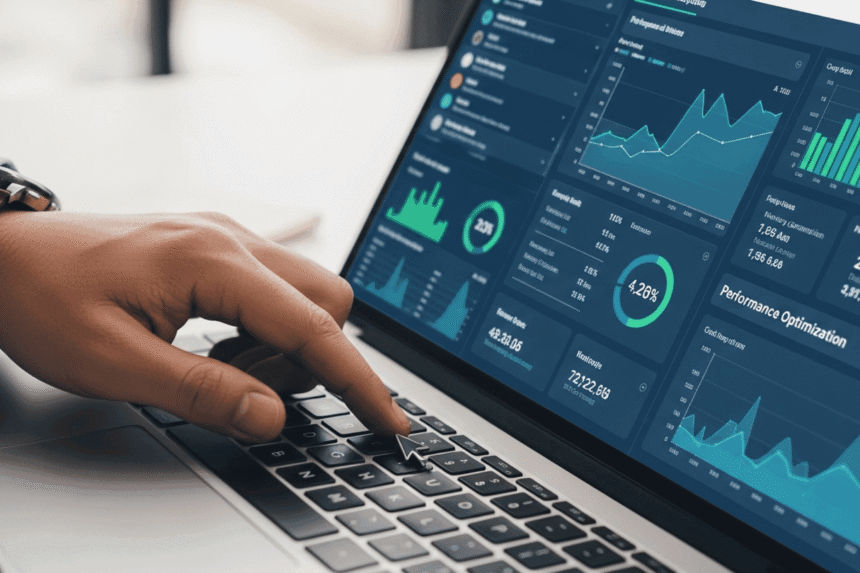
This data feeds centralized dashboards accessible to project managers and executives instantly.
AI-Driven Operational Insights
Raw data alone is not enough. Artificial intelligence enhances operations by:
Predicting Schedule Delays
Analyzing productivity patterns to forecast potential slippage.
Detecting Cost Overruns Early
Identifying budget deviations before they escalate.
Optimizing Crew Allocation
Recommending resource adjustments based on workload and progress.
AI shifts operations from reactive to predictive management.
Workforce Visibility and Accountability
Real-time tracking improves:
- Labor productivity measurement
- Overtime control
- Trade coordination
- Communication between field and office
Superintendents and operations managers gain clearer insight into daily performance, reducing ambiguity and misalignment.
Equipment and Asset Intelligence
Connected equipment systems now provide:
- Idle time monitoring
- Fuel consumption analytics
- Maintenance alerts
- Utilization efficiency ratios
Reducing idle equipment alone can significantly improve jobsite margins.
Operational visibility directly impacts profitability.
Integration with Project Management Systems
The most effective operational ecosystems connect:
- Field data capture tools
- Scheduling platforms
- Cost control systems
- Procurement workflows
This integration ensures that operational data flows into financial forecasting and executive reporting without duplication.
Risk Reduction Through Transparency
Real-time visibility reduces:
- Safety compliance gaps
- Material shortages
- Coordination breakdowns
- Communication delays
Transparent operations create fewer surprises and stronger stakeholder confidence.
The Competitive Edge in 2026
Contractors leveraging real-time operational intelligence are achieving:
- Faster decision cycles
- Improved labor productivity
- Tighter cost control
- Stronger client reporting capabilities
In competitive markets, operational speed and clarity define leadership.
Conclusion
Field operations in 2026 are no longer managed through static reports and delayed updates. Real-time data, AI-driven analytics, and connected systems are reshaping how jobsite decisions are made.
Construction firms that embrace operational intelligence gain measurable advantages in productivity, transparency, and profitability.
In modern construction, information velocity equals execution strength.
What is real-time data in construction operations?
It refers to live jobsite information related to labor, equipment, safety, schedule, and cost performance.
How does AI improve field operations?
AI analyzes operational data to predict delays, optimize crews, and detect cost risks early.